What Will a Doctor Do If Your Testosterone Levels Are Low?
What will a doctor do if your testosterone levels are low? Here's the appointment minute by minute, the 5 questions he won't ask, and how to walk in prepared.
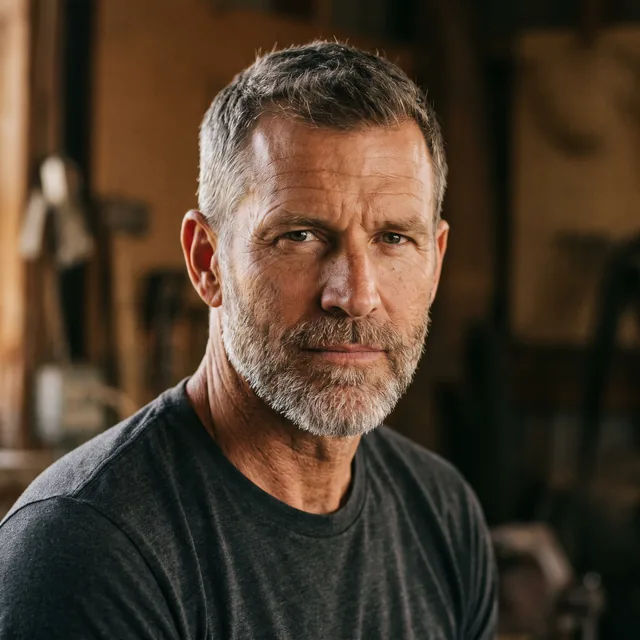

You're sitting in the parking lot of the clinic with the engine off. You've been rehearsing how to say it without sounding weak.
"I've been tired. Something's off."
You already know what you want him to say. You also already suspect he won't say it. That's why you're on your phone right now instead of walking in, wondering what will a doctor do if your testosterone levels are low, and whether it'll actually be enough.
Let me tell you what's about to happen in that room, what almost certainly won't, and what you should do about both.
The 3pm Wall Is Not In Your Head
Before we get to the appointment, one thing I want you to hear.
The reason you're sitting in that truck is not because you're weak or "just getting older." That mid-afternoon crash where you stare at the same email for twenty minutes is a documented event. Researchers call it the post-lunch dip, and it shows up on the body's circadian clock even on days you skip lunch [1]. It is real. It is measured. It is not a character flaw.
So park the guilt. You're not making this up.
Now let's talk about what the doctor is actually going to do.
What A Doctor Will Actually Do If Your Testosterone Is Low
Here is the appointment, blunt and plain, minute by minute.
He'll ask about symptoms. Briefly. Probably two or three questions, and if you're lucky, one of them will be about libido. He'll type a lot.
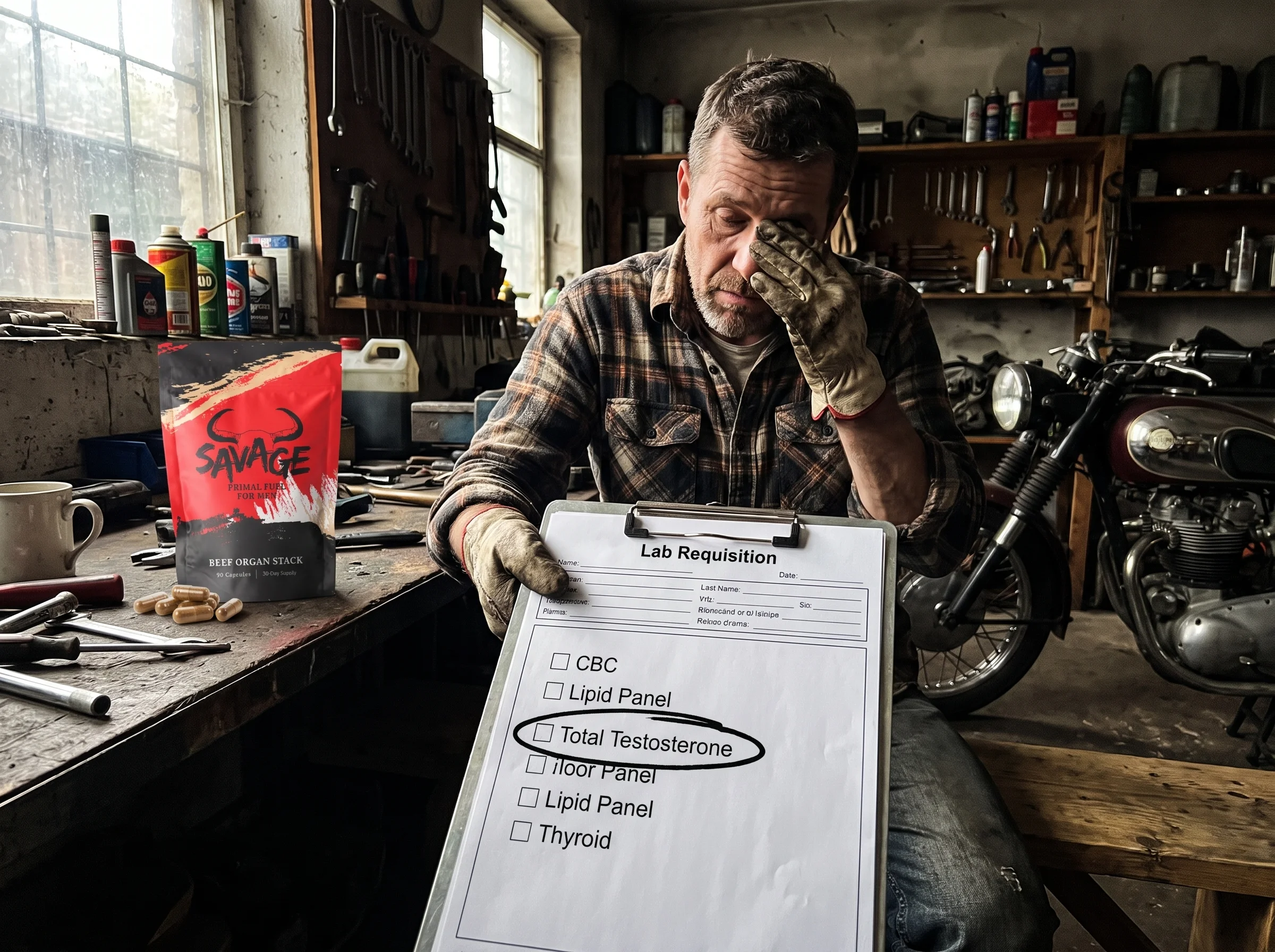
He'll order a blood test. Almost always total testosterone. Sometimes free T. Sometimes not. He'll want it drawn in the morning, before 10am, because testosterone runs highest early in the day.
He may or may not add SHBG, LH, FSH, estradiol, thyroid, a full metabolic panel, ferritin, or vitamin D. Most of the time he won't unless you ask.
If the first number comes back low, he'll usually want a second confirmatory draw. Then you'll have another appointment to discuss "options."
That's it. That's the visit.
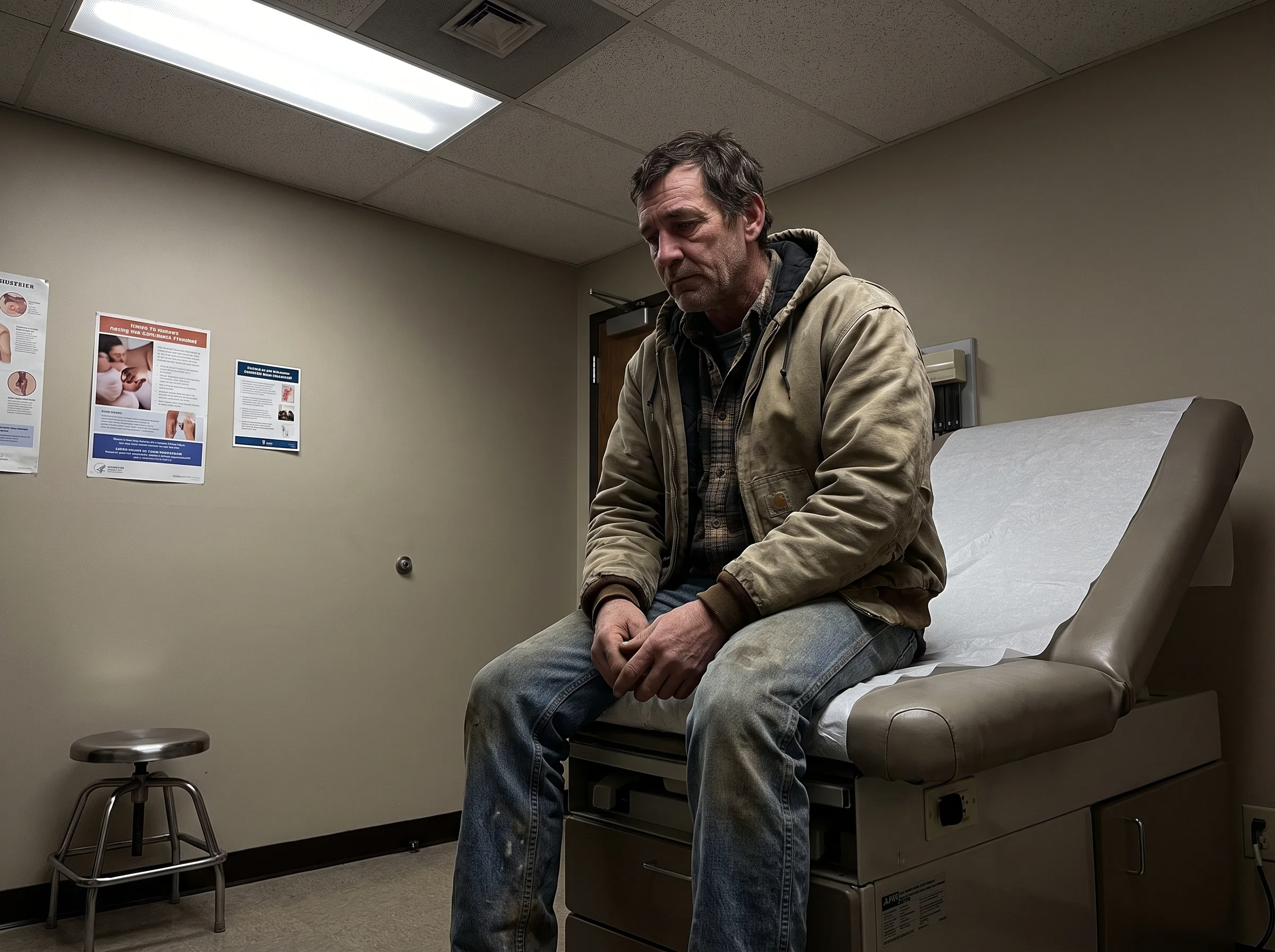
Think of it like taking your truck to a mechanic who only glances at the fuel gauge. Not the oil. Not the belts. Not the plugs. One number on one dial, and a verdict.
The Fork In The Road
The appointment ends one of two ways. Both of them are worth understanding before you sit down.
Path A: "Your labs are normal."
Here's what "normal" means on a modern lab. The reference range for total testosterone is roughly 264 to 916 ng/dL. That is a canyon. A 51 year old at 280 is "normal." He also feels like garbage.
The Baltimore Longitudinal Study of Aging tracked healthy men for years and found that total and free testosterone drift down gradually and progressively with age [2]. Which means the "normal range" is a moving floor. It quietly drops under you every year, and the bar you have to clear keeps getting lower.
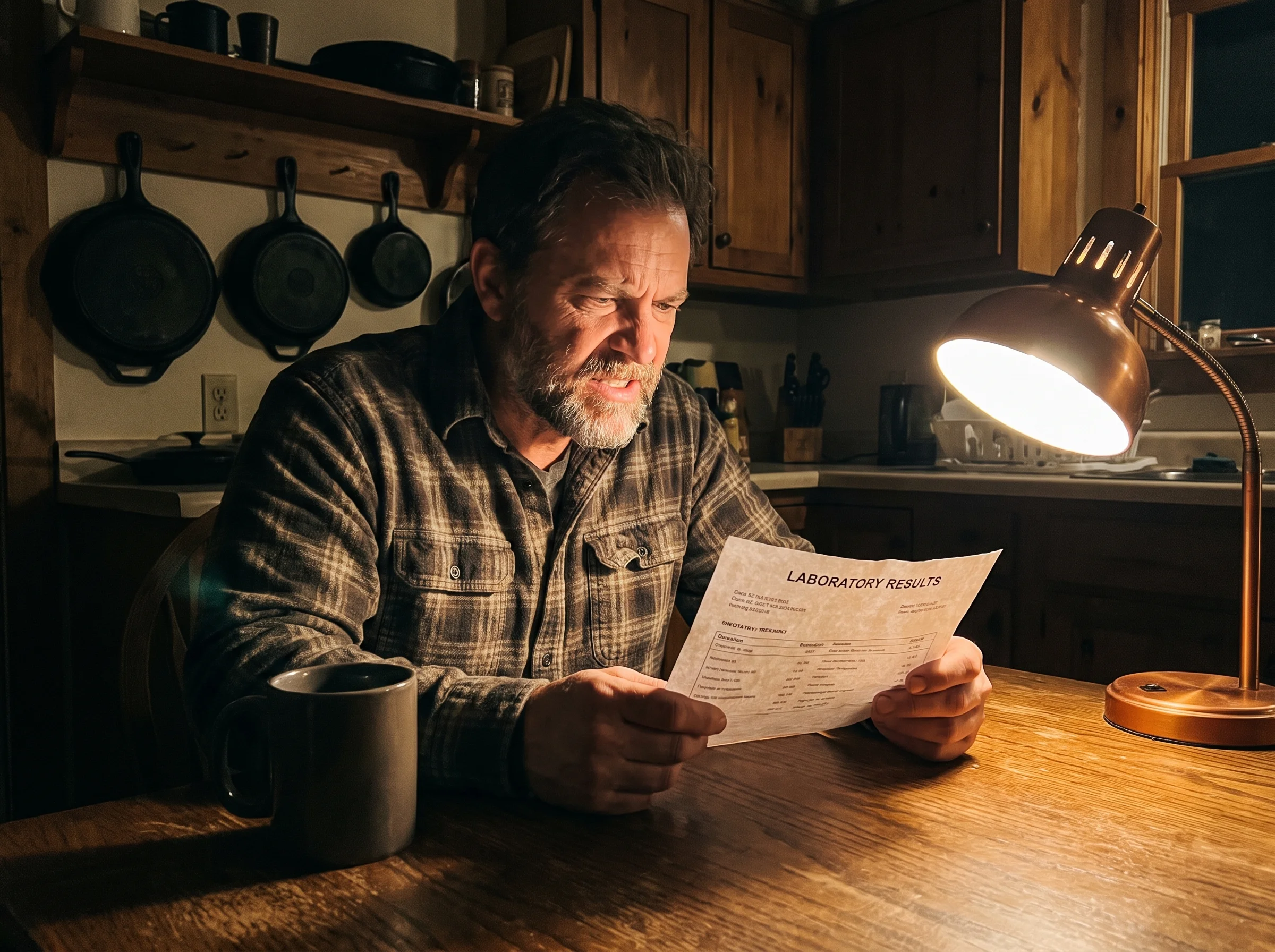
My labs came back "normal" at 49. I felt like hell. That was the day I realized "normal for a 49 year old American man" is a bar I refused to clear.
If you leave with a shrug and a printout that says "within range," that is not a diagnosis of health. That is a snapshot of a number inside a very wide box.
Path B: "You're low. Let's talk about TRT."
TRT works. I'm not here to talk you out of it, and I'm not anti-medicine. But there is one sentence about it your doctor may or may not say clearly.
Once you start exogenous testosterone, your own body slows its production. Your testicles read the signal in your bloodstream and dial their factory down. Getting off later is a whole process, not a light switch. For a lot of men, that shot every week becomes a lifetime prescription.
That is not fearmongering. That is mechanism. You deserve to know it before, not after.
And here's the question your doctor is very unlikely to ask on either path:
Why is it low? What is upstream of the number?
The Five Questions He Won't Ask
A twelve minute appointment doesn't have room for the questions that actually matter. So he skips them. I'll ask you the five he won't.
1. How much are you sleeping?
In a JAMA study, restricting healthy young men to about 5 hours of sleep per night for one week dropped their daytime testosterone by 10 to 15 percent [3]. Young men. Not a 52 year old carrying a mortgage and two teenagers. Nobody at the desk is asking if you sleep 5 hours or 8.
2. What are you eating?
Zinc is essential for male reproductive function, and deficiency causes hypogonadism [4]. Vitamin A is involved in male reproduction, and liver is the richest source of the preformed kind [5]. Nobody is asking what's on your plate.
3. Are you lifting anything heavy?
Testosterone is a major driver of muscle growth, and it rises acutely after heavy resistance exercise [6]. Nobody is asking if you've picked up a barbell since 2019.
4. What's your stress load?
Sleep-deprived adults show higher baseline cortisol and a bigger cortisol response to stress [7]. Nobody is asking if you're running on caffeine and adrenaline.
5. What's your body composition doing?
Nobody is asking about the softness around your middle that showed up over the last three years.
Here's the analogy I keep coming back to. The doctor is a fire alarm. His job is to tell you the house is on fire. His job is not to tell you the wiring's been bad for ten years. The wiring is your job.
How To Walk In Prepared When Your Testosterone May Be Low
You should still go. Ruling out something serious matters. Getting real numbers matters. But you should walk in with a plan, not a hope.
Here's what I tell the men I coach.
- Book the draw before 10am. Non-negotiable.
- Ask for the full picture, not just total T. Free T, SHBG, LH, FSH, estradiol, TSH, ferritin, CBC, CMP, lipid panel, A1C, and vitamin D. Some he'll say yes to, some he won't. Ask anyway.
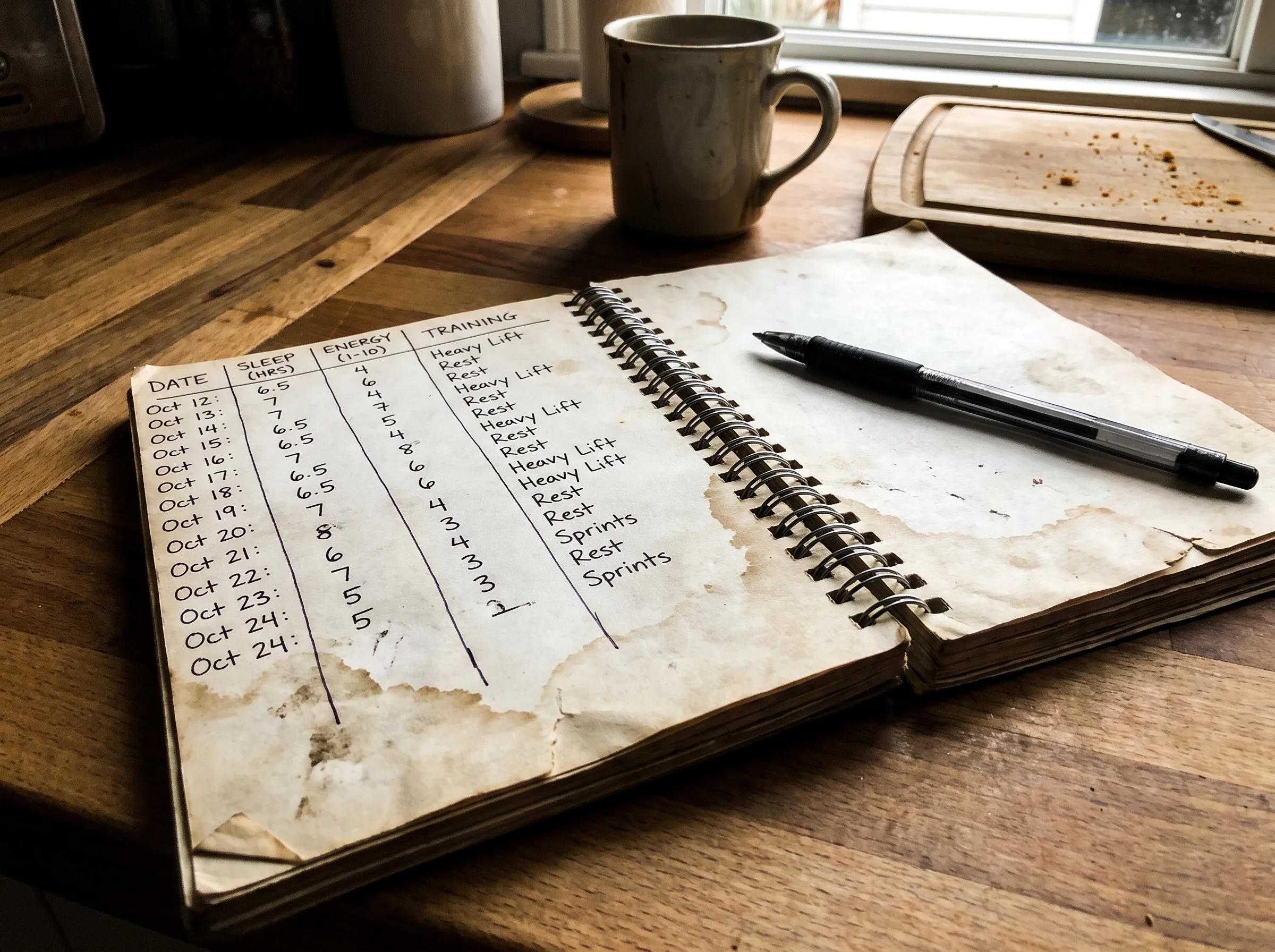
- Track two weeks of sleep hours, energy through the day, and any training in a small notebook. Bring it. A pattern on paper is harder to shrug off than a vague "I'm tired."
- Ask two questions out loud. "If my labs come back in range but I still feel this way, what's the next conversation?" And, "What's upstream of low testosterone that we should look at?"
Watch his face when you ask that second one. It tells you a lot.
The Work That's Still Yours
Whatever happens in that room, you drive home to the same house, the same fridge, the same bed, the same barbell or lack of one.
The three foundational moves are boring and they are the whole game.
Sleep. Seven hours minimum. This is the one nutrient no capsule replaces. When you cut sleep, you cut the hormone. That JAMA study proved it in young men [3]. The math on a tired 52 year old is not going to be kinder.
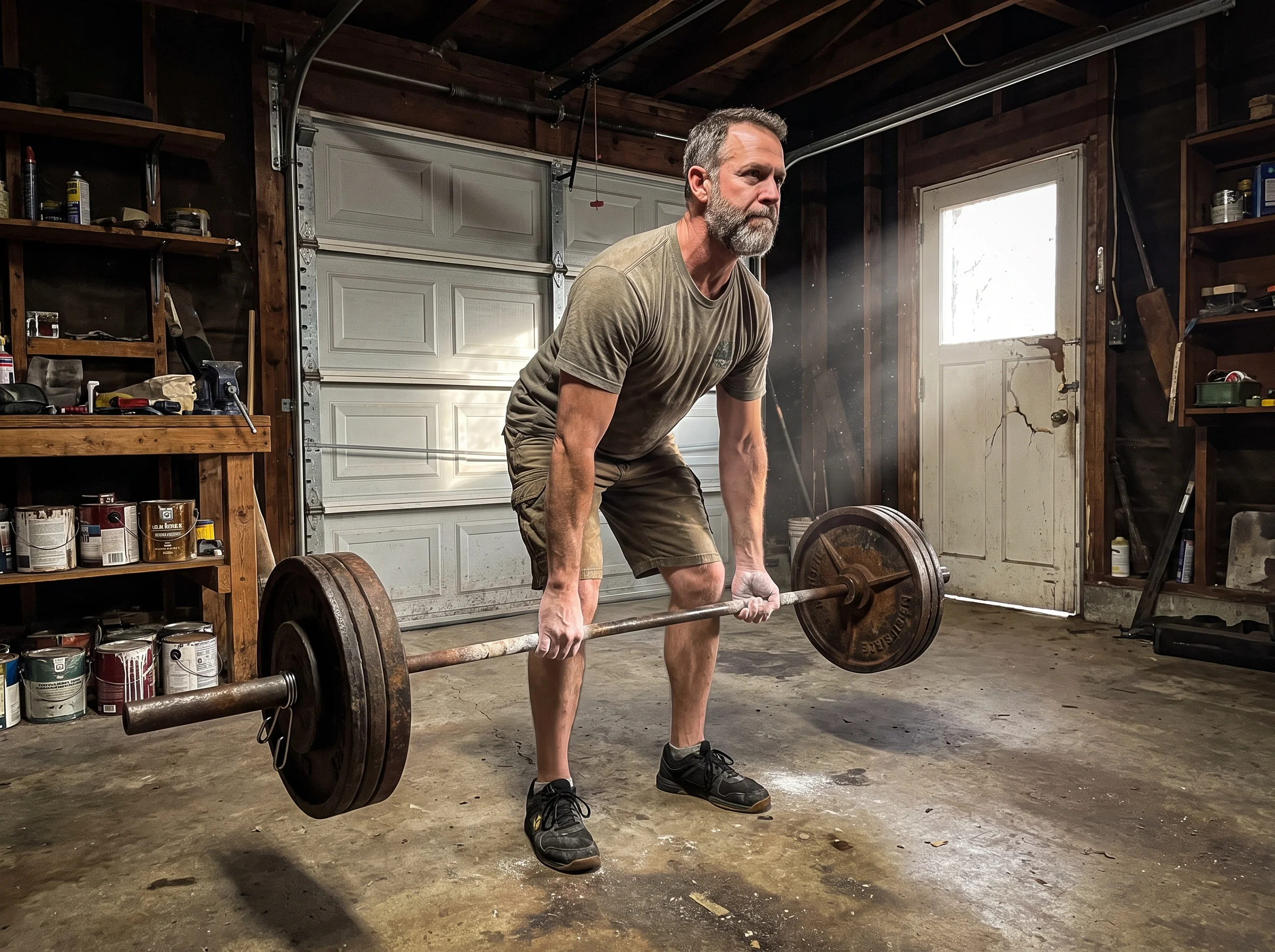
Lift heavy things. Compound lifts, two or three days a week. The mitochondrial machinery that makes your cellular energy drops about 8 percent per decade in adults [8], which means the training you could skate through at 30 is the training you actually need at 50. Not more cardio. Load.
Feed your body food it recognizes. Real protein at every meal. And the micronutrients your plate has probably been missing for a decade.
That last one is where I got stuck for years. I knew liver was one of the most nutrient-dense foods on earth. A 2024 analysis of raw US beef organs confirmed liver, heart, and kidney carry concentrated, complementary loads of preformed vitamin A, B12, riboflavin, copper, iron, and selenium [9]. Liver alone runs about 330 mg of choline per 100 grams [10], an essential nutrient most American men don't get enough of.
I also know liver tastes like it lost a fight. There isn't enough ketchup in the world to make me eat it at breakfast, and my wife would divorce me if I tried.
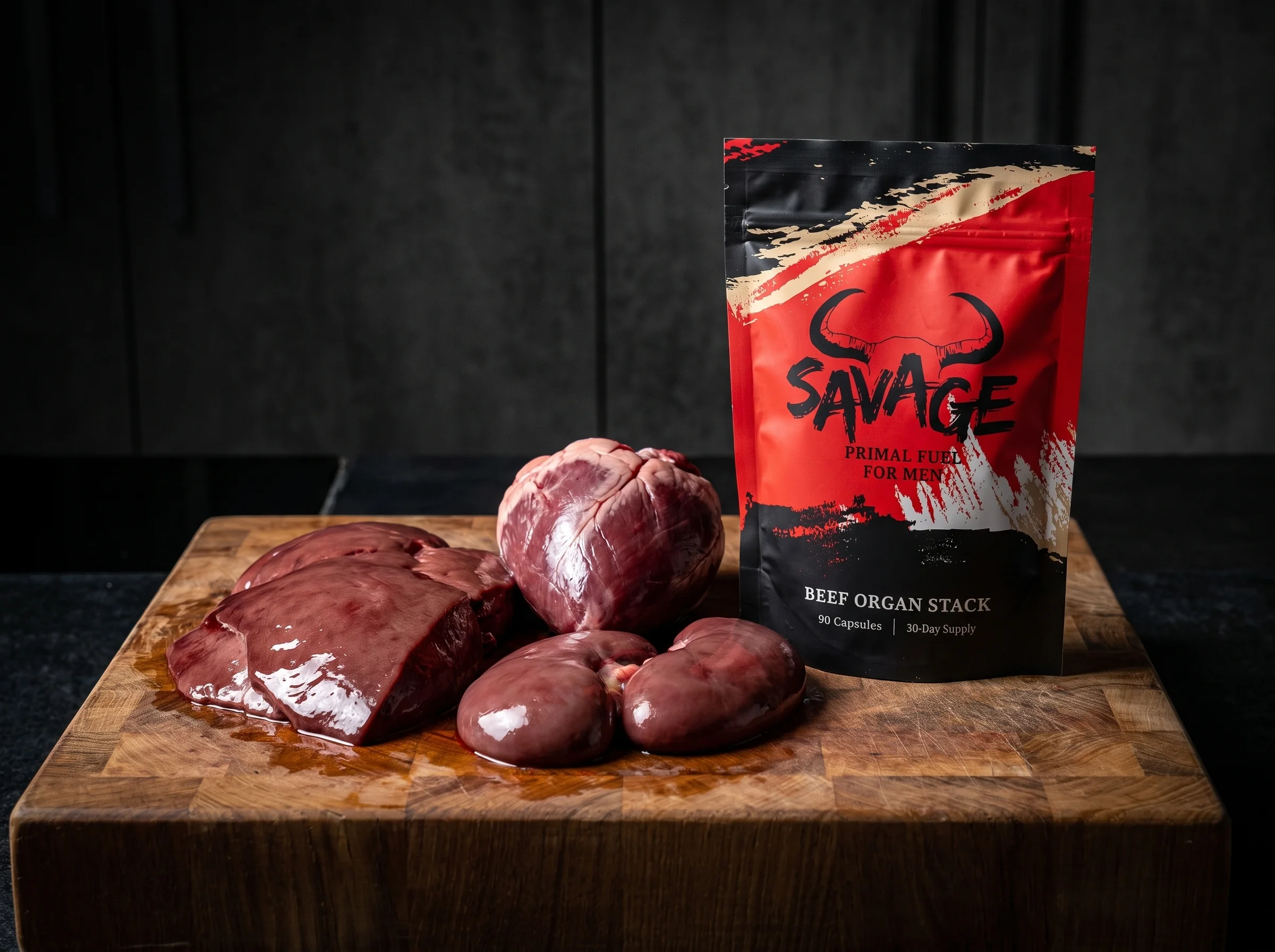
That gap is exactly why I take the Savage Beef Organ Stack. Six freeze-dried, grass-fed organs, liver, heart, kidney, testicle, prostate, and pituitary, in three capsules with food. Freeze-drying preserves heat-sensitive compounds that hot-air drying and hard cooking degrade [11], which matters because heart concentrates CoQ10 (the compound that helps your cells make energy) and even ordinary frying knocks it down [12]. The vitamin A in liver is preformed retinol, so it skips the conversion step plant sources make your body gamble on [13].
Cells run on specific nutrients. The Stack supports the foundational nutrition. Sleep and training do the rest.
The Fork Reframed
The doctor's appointment is a data point. It is not the answer.
Go. Get the labs. Ask the questions on that list. Listen carefully to what he asks you and, more carefully, to what he doesn't.
Then drive home and do the work he was never trained to hand you. Sleep more. Lift heavy. Eat like your great-grandfather ate, without thinking about it. Six organs, three capsules, food that used to be on every plate.
Not a prescription. Not a lifetime shot. A plate.
That's the fork. And it's yours to walk.
FAQ
What will a doctor do if your testosterone levels are low on the first test? Usually he'll order a confirmatory second morning draw before diagnosing you. If both come back low, the conversation turns to TRT. What he's less likely to do is dig upstream into sleep, training, stress, and nutrient status, the actual drivers of the number.
What tests should I ask for beyond total testosterone? Free T, SHBG, LH, FSH, estradiol, TSH, ferritin, CBC, CMP, lipid panel, A1C, and vitamin D. Not all will get ordered. Ask anyway. A full picture is harder to shrug off than one number.
What if my labs come back "normal" and I still feel like garbage? Then you're in the wide part of the reference range, which is a canyon, not a target. That is the day the root-cause work starts: sleep, training, and nutrient status. Ask your doctor directly what the next conversation looks like if the numbers don't match the symptoms.
Is TRT a lifetime commitment? For most men, yes. Once you start exogenous testosterone, your body downregulates its own production. Coming off is a whole process. Not a reason to never consider it. A reason to know what you're signing before you sign.
Should I see my regular GP or a specialist? Start with your GP for the initial panel. If your labs are clearly low or complex, a urologist or endocrinologist is worth it. Avoid TRT-only clinics for the first visit. They sell one hammer.
What can I do before the appointment? Book a morning draw. Track two weeks of sleep and energy. Bring the notebook. Fix the obvious foundations, sleep hours and training, before you're sitting in front of him. It changes the conversation.
References
[1] Monk TH. The Post-Lunch Dip in Performance. Clin Sports Med. 2005;24(2):e15-e23. https://pubmed.ncbi.nlm.nih.gov/15892914/
[2] Harman SM, et al. Longitudinal Effects of Aging on Serum Total and Free Testosterone Levels in Healthy Men (Baltimore Longitudinal Study of Aging). J Clin Endocrinol Metab. 2001;86(2):724-731. https://academic.oup.com/jcem/article/86/2/724/2841070
[3] Leproult R, Van Cauter E. Effect of 1 Week of Sleep Restriction on Testosterone Levels in Young Healthy Men. JAMA. 2011;305(21):2173-2174. https://jamanetwork.com/journals/jama/fullarticle/1029127
[4] NIH Office of Dietary Supplements, Zinc Fact Sheet for Health Professionals. https://ods.od.nih.gov/factsheets/Zinc-HealthProfessional/
[5] NIH Office of Dietary Supplements, Vitamin A and Carotenoids Fact Sheet for Health Professionals. https://ods.od.nih.gov/factsheets/VitaminA-HealthProfessional/
[6] Vingren JL, et al. Testosterone Physiology in Resistance Exercise and Training. Sports Med. 2010;40(12):1037-1053. https://link.springer.com/article/10.2165/11536910-000000000-00000
[7] Minkel J, et al. Sleep deprivation and stressors: evidence for elevated negative affect in response to mild stressors when sleep deprived. Health Psychol. 2014;33(11):1430-1434. https://pubmed.ncbi.nlm.nih.gov/24818608/
[8] Short KR, et al. Decline in skeletal muscle mitochondrial function with aging in humans. PNAS. 2005;102(15):5618-5623. https://pubmed.ncbi.nlm.nih.gov/15800038/
[9] Fuerniss HF, et al. Nutrient Analysis of Raw United States Beef Offal Items. Nutrients. 2024;16(18):3104. https://pubmed.ncbi.nlm.nih.gov/39339704/
[10] USDA Database for the Choline Content of Common Foods, Release 2 (2008). https://www.ars.usda.gov/ARSUserFiles/80400525/data/choline/choln02.pdf
[11] Ratti C. Hot air and freeze-drying of high-value foods: a review. J Food Eng. 2001;49(4):311-319. https://www.sciencedirect.com/science/article/pii/S0260877400002284
[12] Ercan P, El SN. Changes in content of coenzyme Q10 in beef muscle, beef liver and beef heart with cooking and in vitro digestion. J Food Compost Anal. 2011;24(8):1136-1140. https://www.sciencedirect.com/science/article/pii/S0889157511001517
[13] Tang G. Bioconversion of dietary provitamin A carotenoids to vitamin A in humans. Am J Clin Nutr. 2010;91(5):1468S-1473S. https://pubmed.ncbi.nlm.nih.gov/20200262/