How Do You Tell If You Are Deficient? A Man's Field Guide
How do you tell if you are deficient? Five cluster symptoms, a 60-second audit, and the food-category gap most men over 40 miss. Root-cause, not hype.


It's Tuesday. 3pm. You've been staring at the same email since 2:47. Your eyes burn. You're already doing the math on the drive home and wondering if you've got anything left in the tank for your kids.
This isn't one bad day. This is every day for the last 14 months.
You typed "how do you tell if you are deficient" into Google because your gut already knows the answer. You just want somebody to say it out loud.
So let me say it. You already suspect it. Let me show you what to look for so you can stop guessing.
How Do You Tell If You Are Deficient? Look For Five Signs Together
Every article you'll find on this query is a symptom checklist. Twenty things, half of them written for women, all of them so vague that you'll nod yes to eleven and close the tab more confused than you started.
That's not how this works for a 48-year-old man.
The real tell is a cluster. Five things that showed up quietly over a year and now sit together like a crew at the bar.
- Energy that dies mid-afternoon and doesn't come back.
- Sleep that hovers at 5 or 6 hours and doesn't refill you.
- Softer in the middle even though nothing about how you eat has really changed.
- Shorter fuse with your wife and kids than you're proud of.
- Focus that used to be automatic now takes effort.
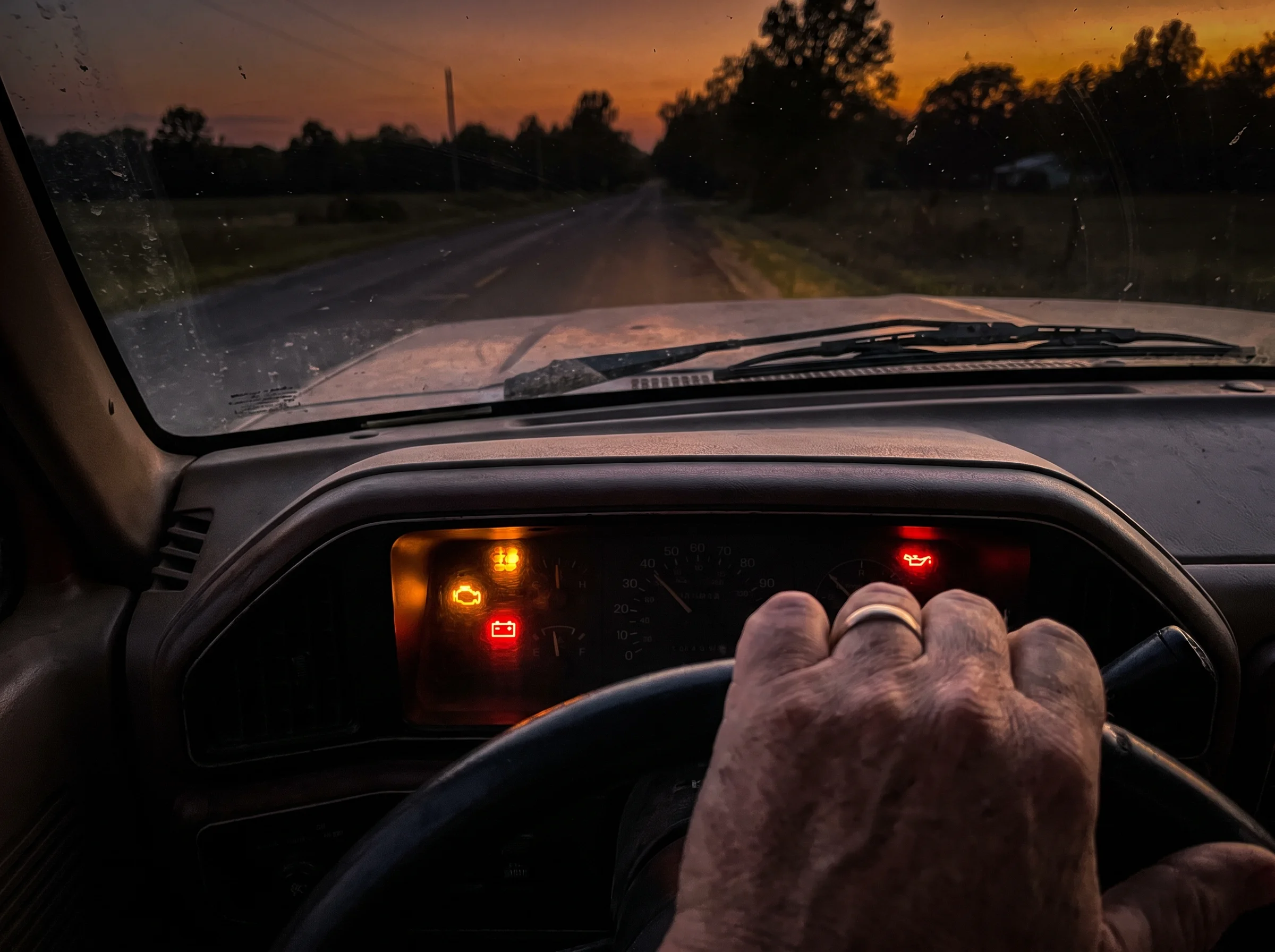
One warning light on your dash is a bulb. Five lights on together is the truck telling you something upstream is dry.
That afternoon crash, by the way, is a documented, measurable event. Researchers call it the post-lunch dip, and it shows up on the clock even on days you skip lunch, because it's rooted in your circadian rhythm, not your sandwich [1]. You're not weak. You're on a curve.
But five lights? Five lights is a pattern. And a pattern is more honest than any single lab printout.
Why "Normal" Labs Don't Rule It Out
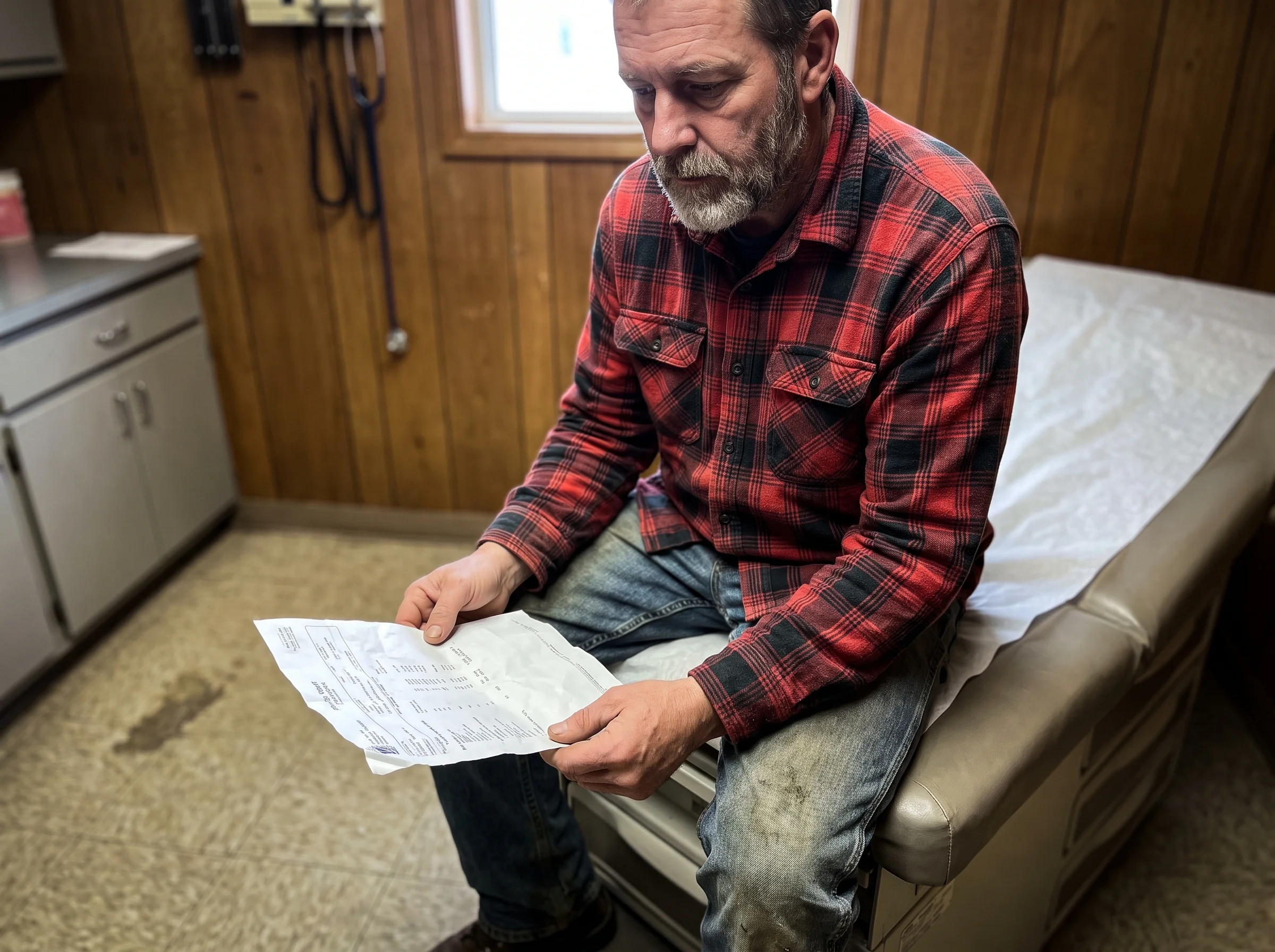
You went in. They drew blood. The nurse called and said everything looks fine.
You walked out feeling worse than when you walked in. You're not crazy.
Here's the piece nobody explains at the desk: reference ranges are averages of a population that is itself in rough shape. "Normal for a 49-year-old American man" is a bar so low it doesn't clear your shoelaces.
Testosterone is the cleanest example. In healthy men, total and free testosterone fall gradually and progressively with age [2]. The "normal" range is wide enough to catch that decline. So being inside the range doesn't mean you feel like yourself. It means you're inside the range.
Labs are a floor, not a ceiling. Use them. But don't let a printout override what your body has been telling you for a year.
The Four Nutrients That Leak Out First
I'm not going to hand you a list of fifteen. Four. These are the ones that quietly disappear from a diet built on chicken breast, protein bars, and whatever's fast.
B12. Required for red blood cell formation, nerve function, and energy metabolism. Deficiency causes fatigue [3]. Honest caveat: extra B12 only helps if you're actually low. If you're replete, more won't do anything for your energy. But a lot of guys eating "clean" muscle meat are quietly running thin.
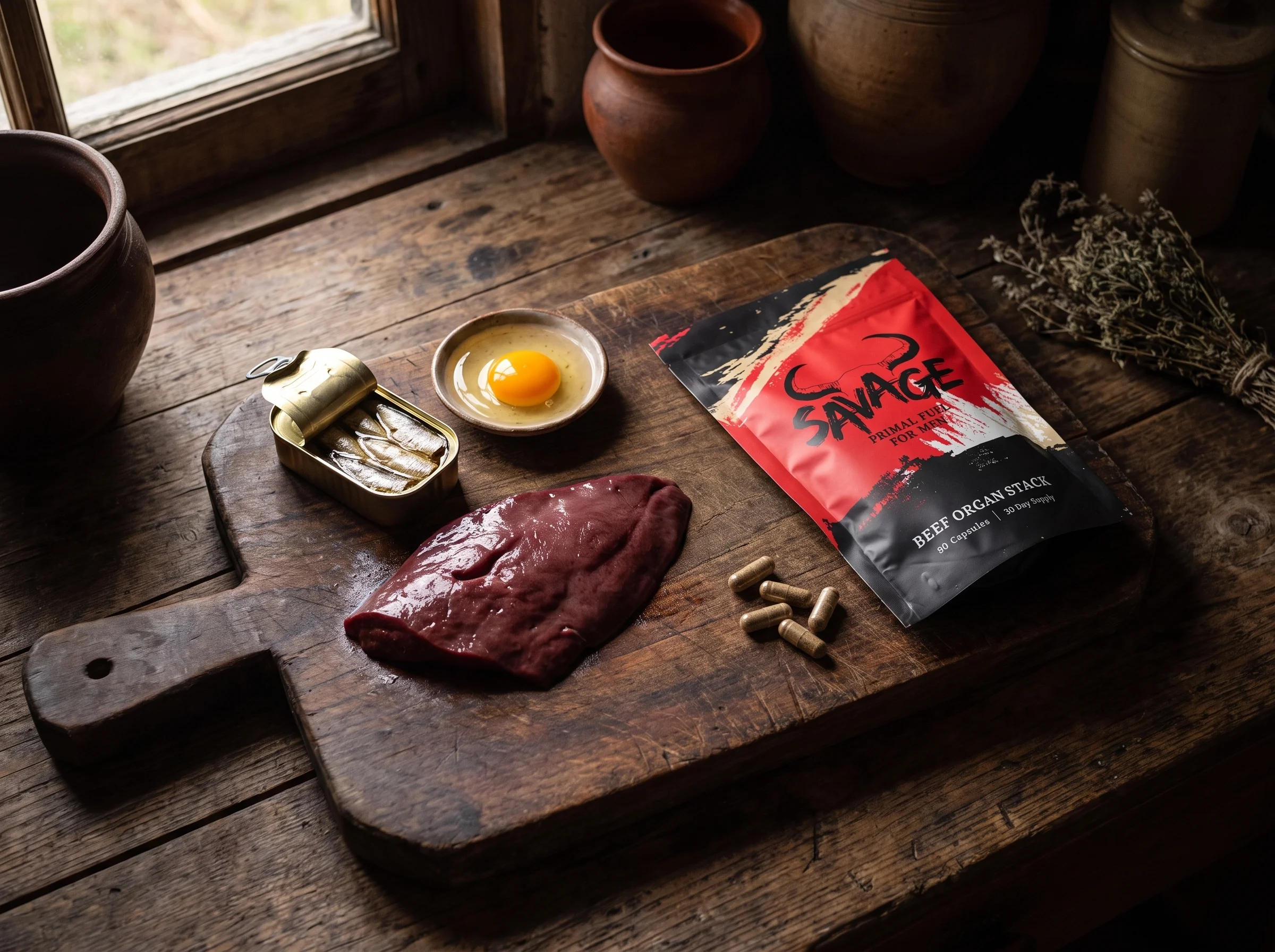
Choline. In a controlled study, 77 percent of men on restricted choline intake developed measurable liver or muscle dysfunction that reversed when they got it back [4]. Seventy-seven percent. Men are especially vulnerable. The richest whole-food source is beef liver, which left the American plate about the same time your grandfather did.
CoQ10. Sits in the mitochondria and links directly to how your cells make ATP, the energy currency your body runs on. Levels decline in some tissues with age, and the heart carries some of the highest concentrations in the body [5]. Think of CoQ10 like the charger for the batteries in every cell. When the charger wears out, everything runs at half power. That's not "getting old." That's a supply problem.
Preformed vitamin A (retinol). Liver is the richest source [6]. Plants give you beta-carotene, which your body has to convert. That conversion is inefficient and varies wildly between people, anywhere from roughly 4:1 to 28:1 by weight [7]. If your gut is rolling dice on the conversion, you're not getting what you think you're getting.
Look at those four. Notice what they have in common. Three of them concentrate in exactly the foods most men haven't eaten in 20 years.
That's not a personal failing. That's a food-system gap.
The 3-Question Audit (Do This Before You Book Bloodwork)
You don't need a lab to run this. You need 60 seconds and honesty. This is how you tell if you are deficient without waiting on a nurse to call you back.
Question 1: In the last 7 days, how many meals had an organ, an oily fish, or a whole egg with the yolk?
Under three, you have a food-category gap. Not a mystery, a gap. When I did this on myself I counted zero. Not one yolk, not one sardine, not one bite of liver in a full week. I was eating "healthy." I was also eating from the same four boxes.
Question 2: How many nights of 7-plus hours of sleep did you get?
Restricting sleep to about 5 hours a night for one week lowered daytime testosterone by 10 to 15 percent in healthy young men [8]. Young men. If it does that to them, imagine what your 5-hour Tuesday is doing to you. Poor sleep also cranks up your baseline cortisol and your response to stress [9]. No pill in the world compensates for short sleep.
Question 3: How many of the 5 cluster symptoms have you had for more than 90 days?
Three or more is a pattern, not a bad week.
Now you have a signal. In one minute. You can act on it today.

What To Do About It, In This Order
Fix sleep first. It's the free lever nobody wants to pull. Phone out of the bedroom, hard cutoff on caffeine, cold and dark room. Boring. Works.
Rebuild the plate. Get protein up to roughly 1.0 to 1.2 grams per kilogram of bodyweight per day, minimum, more if you're active [10]. Lift heavy twice a week. Resistance training is a major driver of muscle growth and strength, and testosterone rises acutely right after a heavy session in men [11]. Protein plus training is the muscle lever [12]. A capsule is not.
Close the organ gap. Here's the honest part. The guys I coach are not going to eat liver on a Tuesday morning. Neither am I. Liver is nature's multivitamin and it also tastes like it lost a fight. There is not enough ketchup in the world.
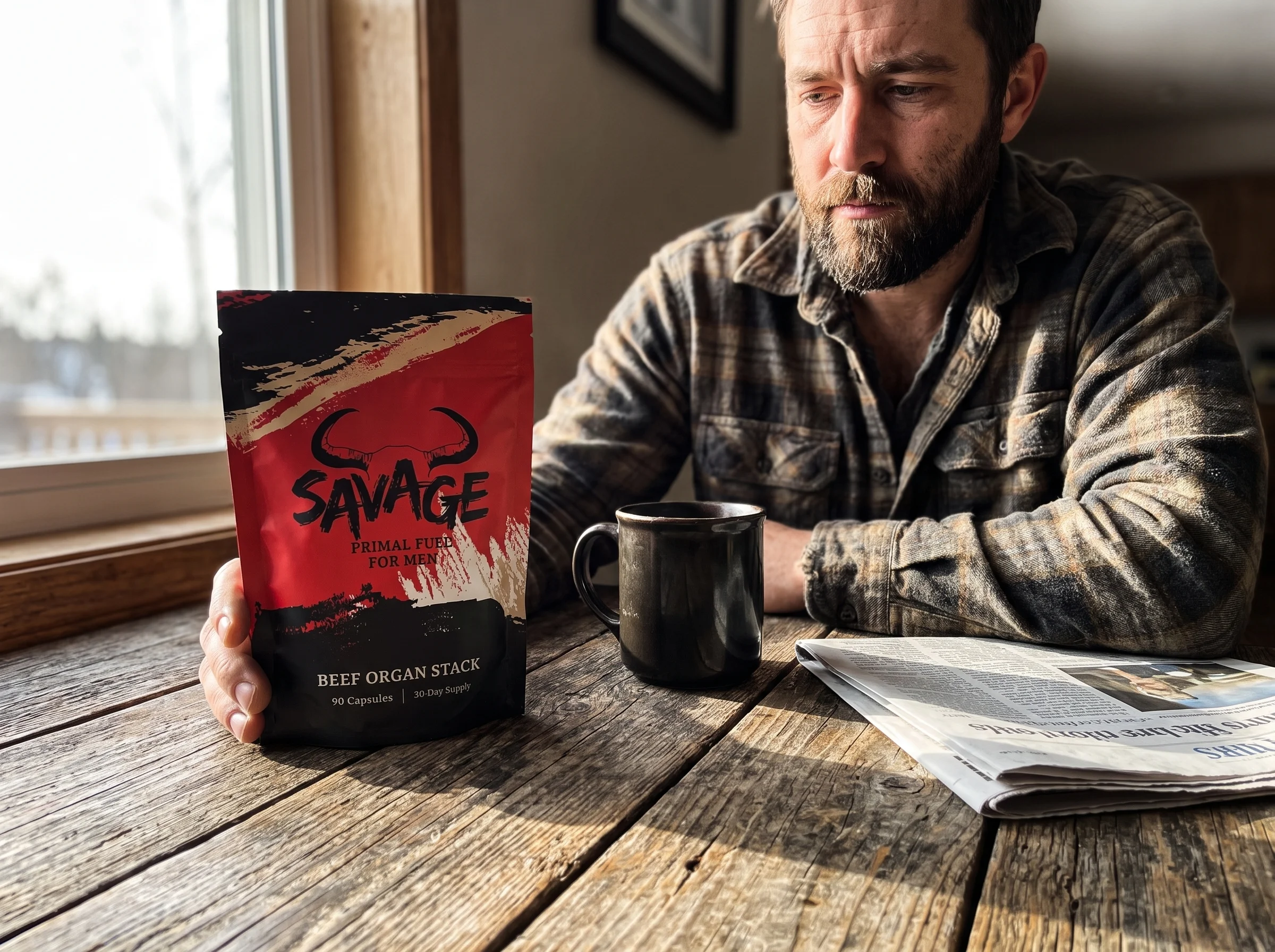
That's why I take the Savage Beef Organ Stack. Three capsules with food, all six organs (liver, heart, kidney, testicle, prostate, pituitary), freeze-dried raw so the cooking heat that degrades things like CoQ10 [13] and folate in liver [14] never touches them. It supports healthy testosterone production, energy, and recovery by filling the food-category gap your plate has been missing for two decades. Not a T-booster. Not a magic pill. Food, in a form I'll actually take every morning.
Then, if you want, get a blood panel. Ask for ferritin, B12, vitamin D, testosterone (total and free), and a CBC. Now you have data to interpret against how you actually feel. Pattern first, panel second.
One note on iron. If you've been told you have high ferritin or hemochromatosis, or your doctor has flagged your iron, an organ product isn't for you without a conversation with your clinician first. Iron is only useful when you're actually low.
The One Thing That Will Surprise You
The answer to "am I deficient" is almost never one nutrient.
It's a whole category of food missing from your plate for 20 years, plus 5 hours of sleep, plus zero heavy lifting. Fix the category, fix the sleep, add the lift. The single-pill fix is the trap every men's-health huckster online is selling you.
Root-cause is boring. It's also what works.
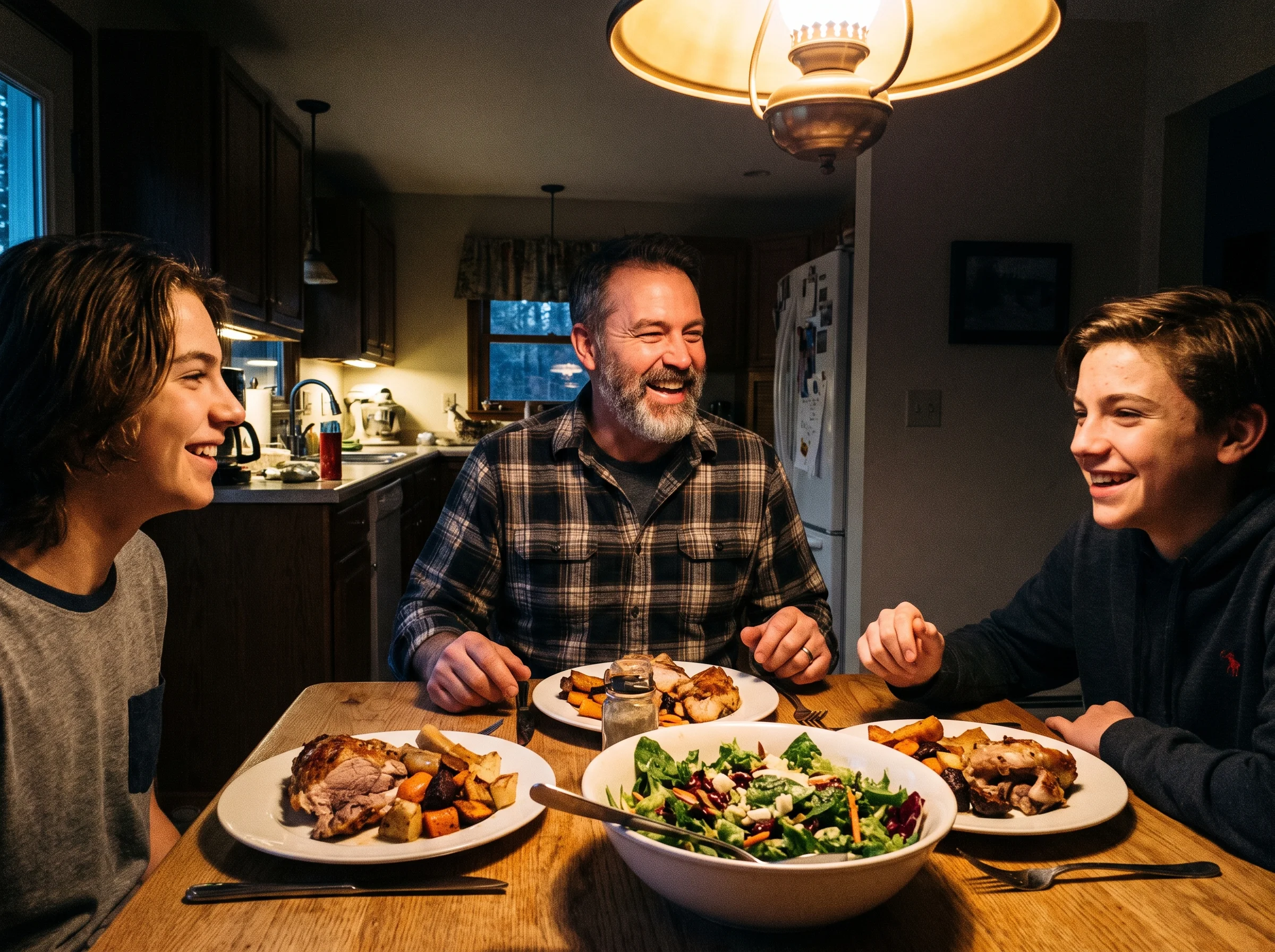
Picture the version of you that wakes up at 5:30 without an alarm, actually hungry for breakfast, present at the 6pm dinner table instead of counting minutes until you can sit down. That guy isn't a different man. He's you with the supply line reconnected.
The One Thing To Do Today
Run the 3-question audit. Right now, before you close this tab.
If you counted under three organ, yolk, or oily-fish meals this week and you're checking three or more of the cluster symptoms, you don't have a mystery. You have a food-category gap and a sleep debt. Address them in that order.
You are not broken. You are under-supplied. That's a fixable problem.
The Savage Beef Organ Stack is how I close the organ gap without the gag reflex. It exists for exactly the reason you needed this article: because the food that used to feed strong men isn't on the plate anymore, and pretending it is didn't work for me either.
Pattern first. Plate second. Panel third. That's the order.
References
[1] Monk TH. The Post-Lunch Dip in Performance. Clin Sports Med. 2005;24(2):e15-e23. https://pubmed.ncbi.nlm.nih.gov/15892914/
[2] Harman SM, et al. Longitudinal Effects of Aging on Serum Total and Free Testosterone Levels in Healthy Men (Baltimore Longitudinal Study of Aging). J Clin Endocrinol Metab. 2001;86(2):724-731. https://academic.oup.com/jcem/article/86/2/724/2841070
[3] NIH Office of Dietary Supplements, Vitamin B12 Fact Sheet for Health Professionals. https://ods.od.nih.gov/factsheets/VitaminB12-HealthProfessional/
[4] Fischer LM, et al. Sex and menopausal status influence human dietary requirements for the nutrient choline. Am J Clin Nutr. 2007;85(5):1275-1285. https://pubmed.ncbi.nlm.nih.gov/17490963/
[5] Diaz-Casado ME, et al. The Paradox of Coenzyme Q10 in Aging. Nutrients. 2019;11(9):2221. https://pmc.ncbi.nlm.nih.gov/articles/PMC6770889/
[6] NIH Office of Dietary Supplements, Vitamin A and Carotenoids Fact Sheet for Health Professionals. https://ods.od.nih.gov/factsheets/VitaminA-HealthProfessional/
[7] Tang G. Bioconversion of dietary provitamin A carotenoids to vitamin A in humans. Am J Clin Nutr. 2010;91(5):1468S-1473S. https://pubmed.ncbi.nlm.nih.gov/20200262/
[8] Leproult R, Van Cauter E. Effect of 1 Week of Sleep Restriction on Testosterone Levels in Young Healthy Men. JAMA. 2011;305(21):2173-2174. https://jamanetwork.com/journals/jama/fullarticle/1029127
[9] Minkel J, et al. Sleep deprivation and stressors: evidence for elevated negative affect in response to mild stressors when sleep deprived. Health Psychol. 2014;33(11):1430-1434. https://pubmed.ncbi.nlm.nih.gov/24818608/
[10] Bauer J, et al. Evidence-based recommendations for optimal dietary protein intake in older people: a position paper from the PROT-AGE Study Group. J Am Med Dir Assoc. 2013;14(8):542-559. https://pubmed.ncbi.nlm.nih.gov/23867520/
[11] Vingren JL, et al. Testosterone Physiology in Resistance Exercise and Training. Sports Med. 2010;40(12):1037-1053. https://link.springer.com/article/10.2165/11536910-000000000-00000
[12] Morton RW, et al. A systematic review, meta-analysis and meta-regression of the effect of protein supplementation on resistance training-induced gains in muscle mass and strength in healthy adults. Br J Sports Med. 2018;52(6):376-384. https://pubmed.ncbi.nlm.nih.gov/28698222/
[13] Ercan P, El SN. Changes in content of coenzyme Q10 in beef muscle, beef liver and beef heart with cooking and in vitro digestion. J Food Compost Anal. 2011;24(8):1136-1140. https://www.sciencedirect.com/science/article/pii/S0889157511001517
[14] Aramouni FM, Godber JS. Folacin retention in beef liver as affected by cooking and frozen storage. J Food Qual. 1991;14(5):357-365. https://onlinelibrary.wiley.com/doi/10.1111/j.1745-4557.1991.tb00077.x