At What Age Does Your Body Recover The Fastest? The Truth
At what age does your body recover the fastest? Discover the surprising answer and learn the 3 key factors that matter more than age for recovery.
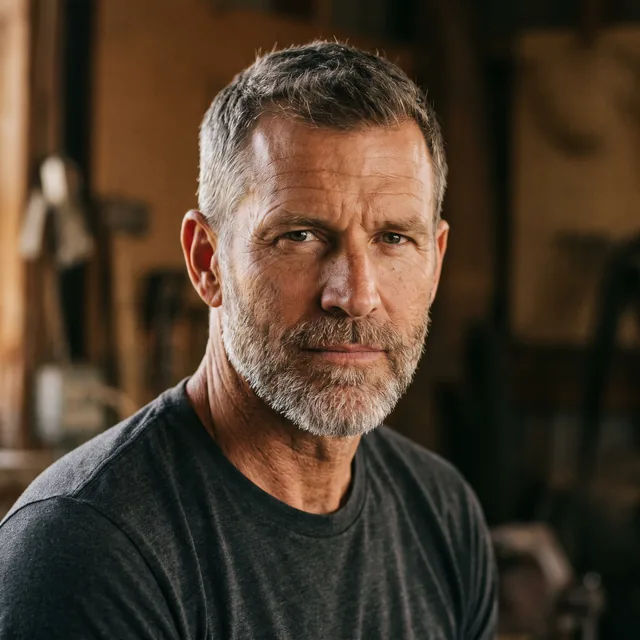

You did one workout Saturday. Nothing crazy. Some squats, some presses, a walk with the dog. It's Tuesday and your lower back still talks to you every time you stand up from your desk.
You remember being 24. Pickup basketball on Friday night. Beers after. Basketball again Saturday morning. Feeling nothing.
You typed the question into Google because you already know the answer and you want someone to tell you it isn't over.
I'll answer it. Then I'll tell you the part that actually matters.
At What Age Does Your Body Recover The Fastest, Honestly
On paper, raw physiological recovery peaks in the late teens through the mid-twenties.
Mitochondrial capacity, hormonal environment, tissue turnover, sleep architecture. All of it running at factory settings. In a study of adults aged 18 to 89, skeletal-muscle mitochondrial ATP production dropped about 8 percent per decade [1]. That's the cellular machinery that makes the energy to repair tissue. It genuinely slows down.
Testosterone, which drives muscle repair, falls gradually and progressively with age too. The Baltimore Longitudinal Study nailed that decades ago [2].
Think of your recovery engine like a factory floor. In your twenties every machine on the floor is new and running full shifts. Every decade a couple of machines slow down. That's the physiology. It's real. It's not in your head.
You're not soft. You're not lazy. The machinery changed. You needed to hear that from somebody.
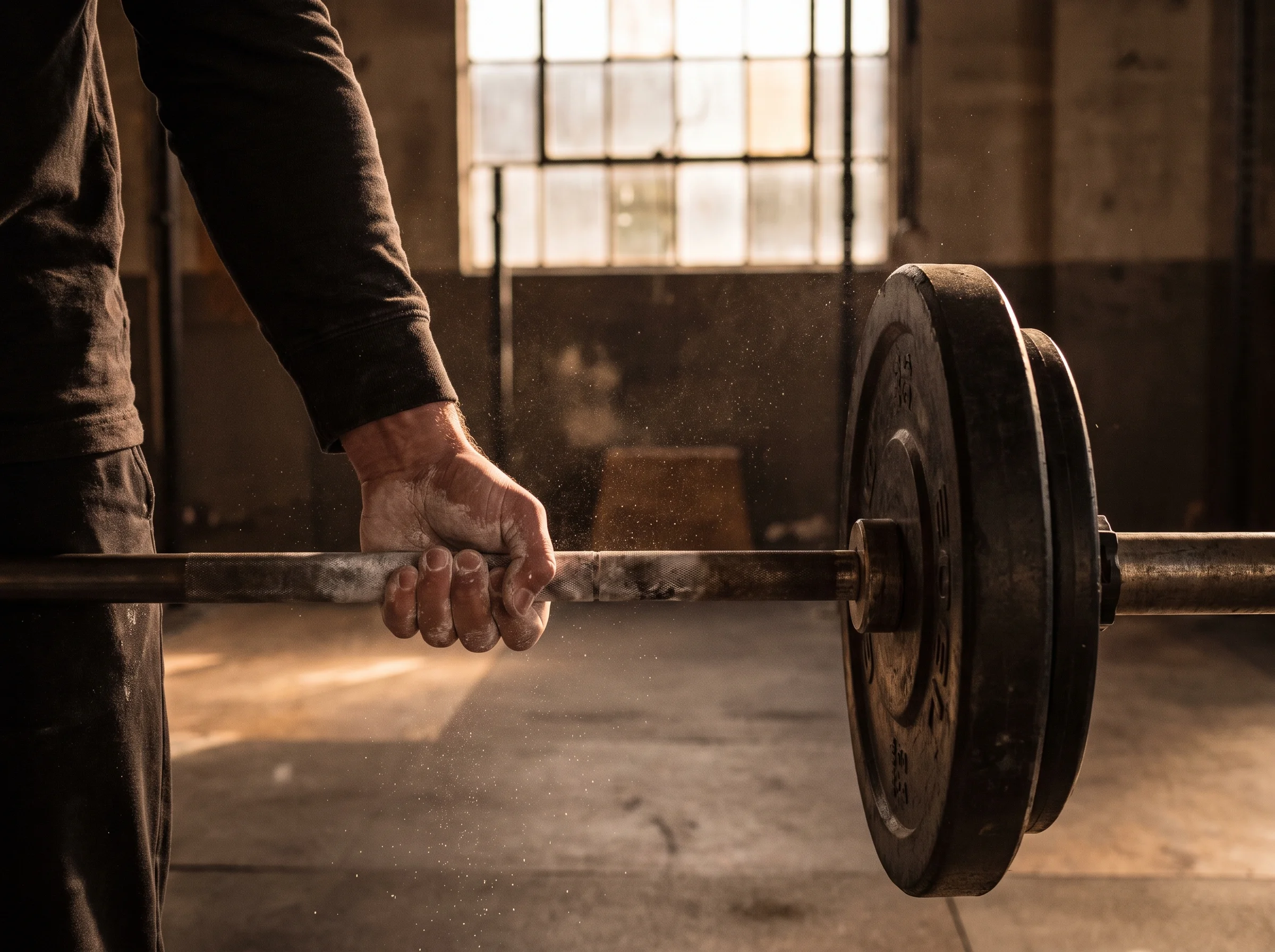
But Here's What The Data Doesn't Tell You
Peak recovery age assumes the person is actually running the machine well.
Most men aren't.
A 22-year-old on 5 hours of sleep and DoorDash recovers worse than a 50-year-old on 7 hours and real food. When healthy young men were restricted to about 5 hours of sleep for a week, their daytime testosterone dropped 10 to 15 percent [3]. That's in young men, at their peak. If sleep debt does that to a 25-year-old, sit with what it's doing to you.
Sleep-deprived adults also run higher baseline cortisol and mount a bigger cortisol response to stress [4]. Recovery is a low-cortisol event. Bad sleep locks you out of the hormonal state your body needs to repair.
Two identical trucks. Same year, same model. One got oil changes and premium fuel. The other ran on fumes and dirty gas. One has 200,000 miles left. The other has 20,000.
Age is the odometer. Behavior is the maintenance log.
The Real Question You're Asking
You didn't type this into Google because you're curious about developmental biology.
You typed it because you're worried it's too late.
Here's the honest answer: you won't recover like you did at 22. That door is closed. Stop grieving it.
Here's the better one: you can recover dramatically better than you do right now. That door is wide open.
Most 50-year-old men are living so far below their own ceiling they think the ceiling is the floor.
Stop asking when your body recovered fastest. Start asking what your body is currently missing.
The Three Levers That Actually Move Recovery
Ranked. In order. Skip the ranking and you'll spin your wheels.
Lever 1: Sleep
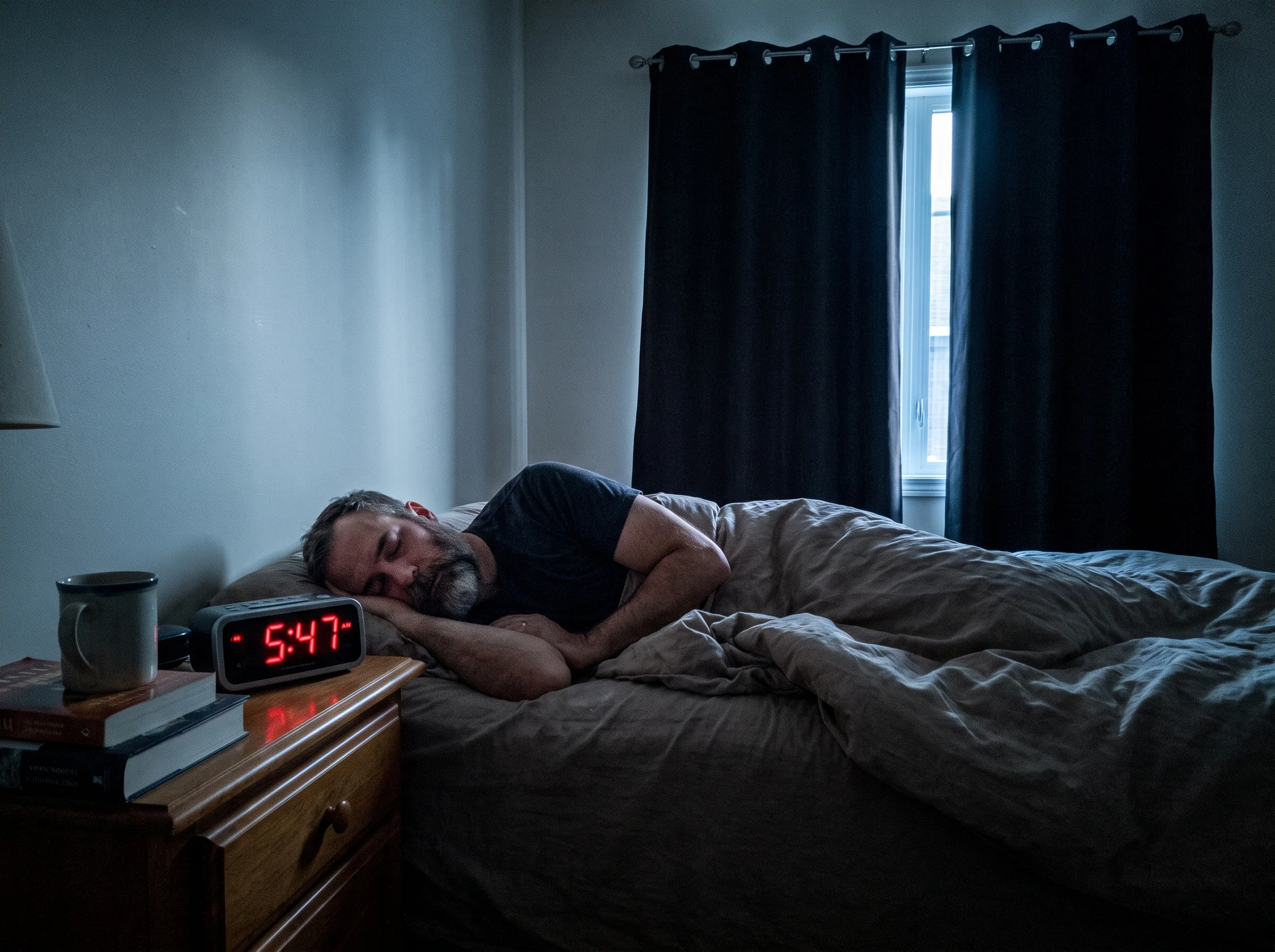
If you sleep 5 hours you cannot out-train, out-supplement, or out-discipline that hole.
Recovery happens during sleep. Not at the gym. The gym is where you break tissue. Sleep is where you build it back. If the build phase is 5 hours long, you're going to be sore on Tuesday from a Saturday workout.
This is the biggest lever most men have and the one they're most willing to trade for Netflix.
Lever 2: Protein And A Real Training Stimulus
The research on protein plus resistance training is boring and clean. Benefit accrues and plateaus around 1.6 grams per kilogram of bodyweight per day [5]. Expert consensus for older adults sits around 1.0 to 1.2 g/kg/day, more if active [6].
Do the math on a 190-pound man. You're looking at 130 to 150 grams of protein a day if you're training. Most 50-year-olds I coach are eating 60 to 80 and wondering why they aren't recovering.
The 50-year-old lifter eating half his protein target isn't recovering because there's nothing to rebuild with.
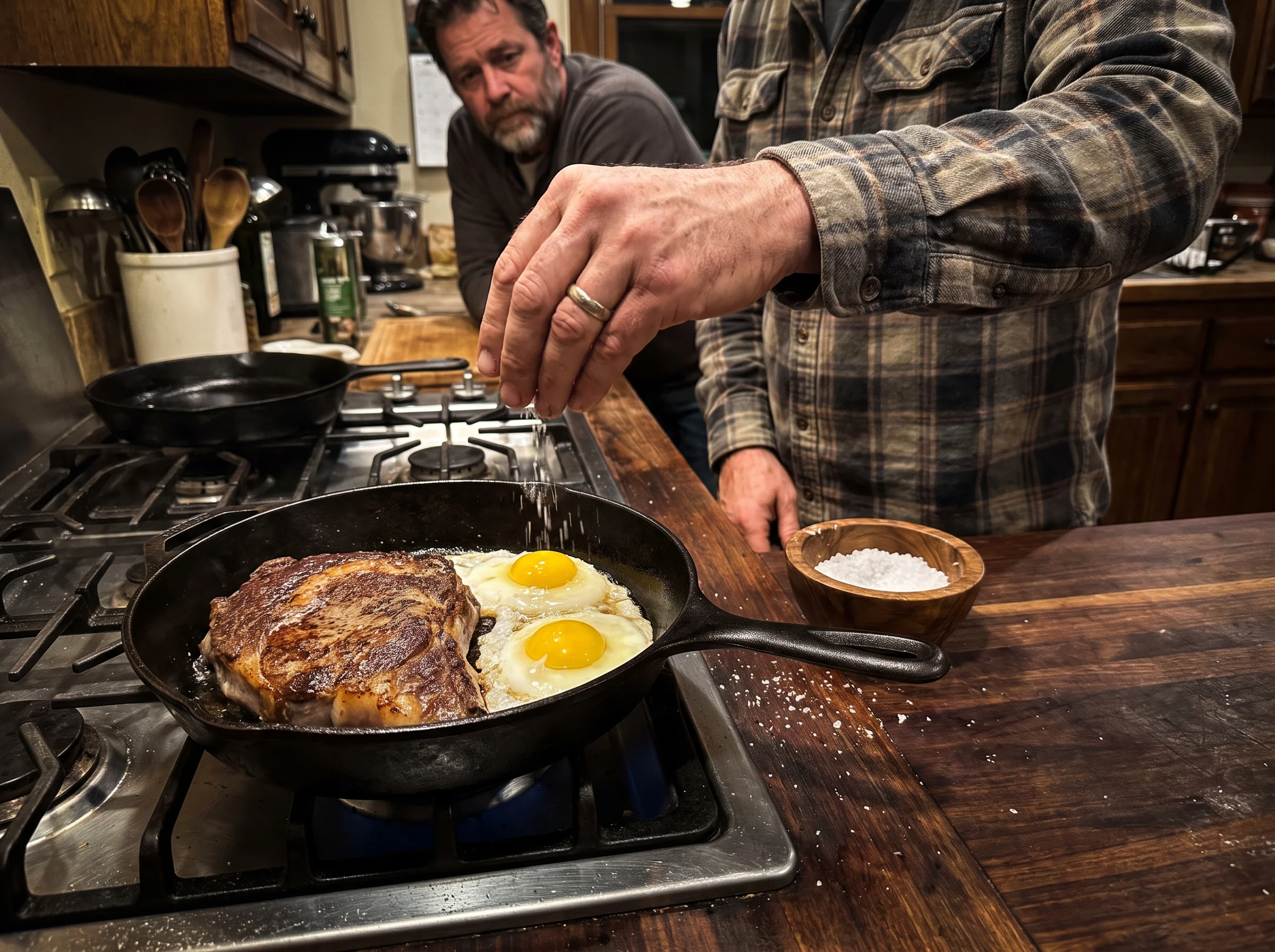
Lever 3: The Raw Materials Your Cells Need
Sleep is when the crew shows up. Protein is the lumber. Micronutrients are the nails, wiring, and plumbing.
You can have crew and lumber and still build nothing if the nails are missing.
CoQ10 sits inside the mitochondria linking metabolism to ATP production, and levels decline in some tissues with age. Heart tissue holds some of the highest CoQ10 concentrations in the body [7]. Raw beef heart carries about 11 mg per 100 grams. Frying cuts recoverable CoQ10 to roughly 69 percent [8].
Preformed vitamin A, which the body uses directly for cellular communication, growth, and reproduction, is concentrated in liver [9]. Plant carotenoids require conversion to retinol, and that conversion is inefficient and wildly variable between people [10]. Liver skips the coin flip.
Raw beef liver contains roughly 330 mg of choline per 100 grams [11]. Choline is essential for cell membranes and lipid transport, and men appear especially vulnerable to low intake. In a controlled study, 77 percent of men on severe choline restriction developed reversible signs of liver or muscle dysfunction [12].
A 2024 analysis and USDA data both confirm liver, heart and kidney carry concentrated, complementary micronutrient loads that muscle meat doesn't touch [13][14].
That's the wiring your grandfather ate every week and you probably haven't eaten this year.
Why The Modern 50-Year-Old Recovers Worse Than His Grandfather Did
Your grandfather at 50 was probably outworking you.
Not because he had better genes. Because his inputs were different.
He ate the whole animal, including the organs. You eat ground beef and chicken breast. He went to bed at 9pm without a phone. You scroll until 12:30. He moved all day. You sit.
This isn't nostalgia. It's a supply problem.
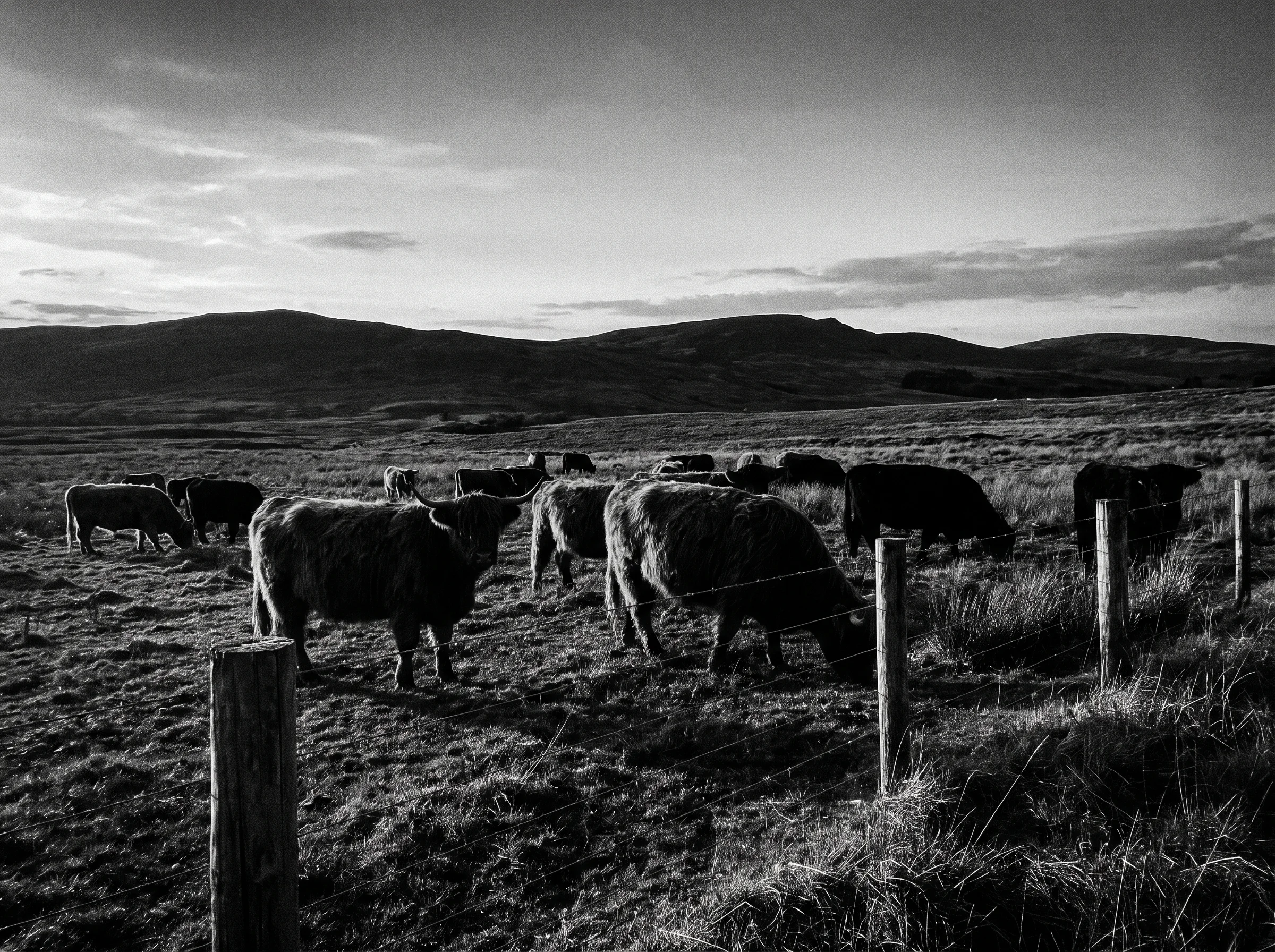
The organs are the hardest input to fix. Grass-fed liver is one of the most nutrient-dense foods on earth and it tastes like it lost a fight. There isn't enough ketchup in the world to make me eat it every day, and I've tried.
That's exactly why I take the Savage Beef Organ Stack. Three freeze-dried capsules with breakfast. All six organs in. No gag reflex, no thawing something bloody at 6am. It supports the raw-material side of recovery in the form I'll actually keep doing.
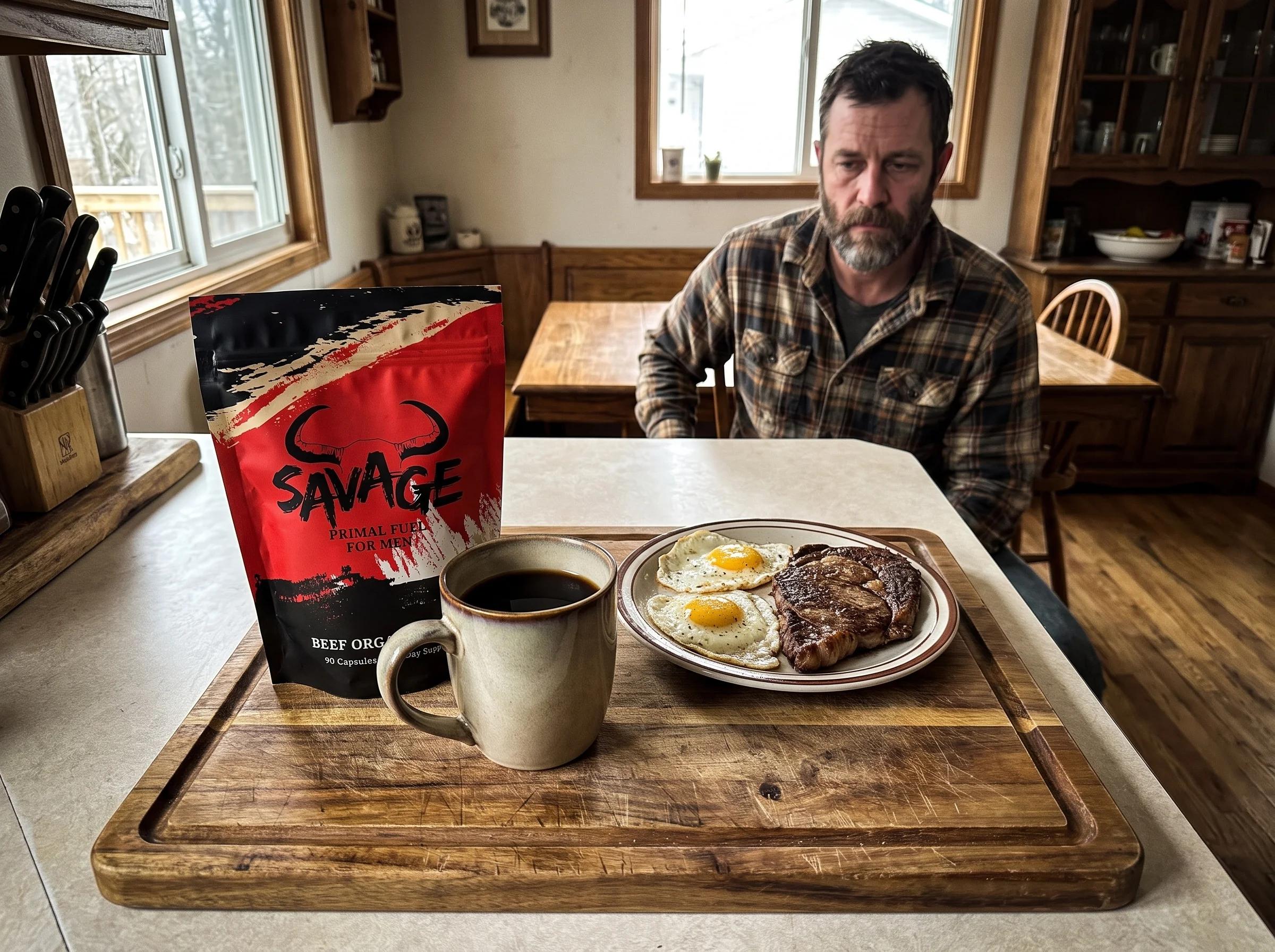
It isn't just aging. Something changed. You already knew that.
The Recovery You Can Still Have
I'm 51.
My recovery at 51 is measurably better than it was at 45. Not because I found a fountain of youth. Because I stopped sabotaging myself.
I spent my 40s watching my recovery collapse and blaming my age. I was wrong. It was 5-hour sleeps, gas station food, no lifting, and a nutrient tank running on fumes. I put the inputs back in and the recovery came back with them.
Two Octobers ago I loaded firewood for four hours on a Saturday. Splitter, stack, haul, repeat. I woke up Sunday sore in a good way, not destroyed. First time in years. That was the morning I knew the machine still worked. I just hadn't been feeding it.
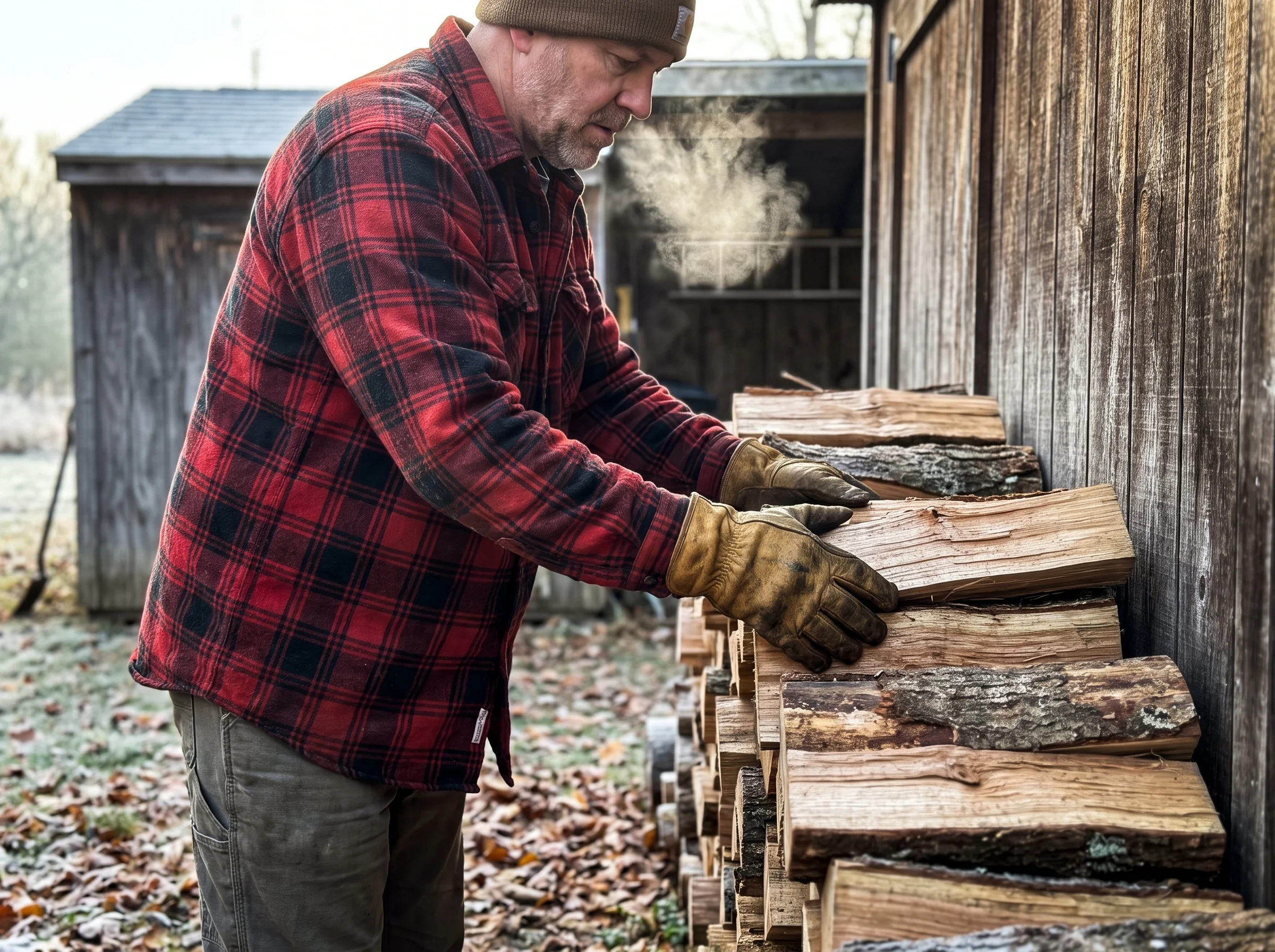
The men I coach who are recovering better at 52 than they did at 42 aren't outliers. At 42 they weren't paying attention. At 52 they finally are.
The Bottom Line
The age your body recovers fastest is behind you. The age your body recovers best is a decision you make on Monday.
The soreness that lingers three days, the workouts you skip because you're still hurting from the last one, that ends when the inputs change. The machinery slows with age. It also responds to what you put in it, at every age.
This isn't another T-booster. It isn't a pill promising the impossible. It's going back to the raw materials strong men have always eaten, in a form you'll actually take.
One takeaway: stop asking when you were fastest. Start asking what you're currently missing.
One next step: pick the biggest lever this week. For most of you it's sleep. Fix that first. Then handle protein. Then get the raw materials back on the plate, or in three capsules, whichever one you'll actually do for the next 90 days.
The door isn't closed. You just haven't opened it in a while.
References
[1] Short KR, et al. Decline in skeletal muscle mitochondrial function with aging in humans. PNAS. 2005;102(15):5618-5623. https://pubmed.ncbi.nlm.nih.gov/15800038/
[2] Harman SM, et al. Longitudinal Effects of Aging on Serum Total and Free Testosterone Levels in Healthy Men (Baltimore Longitudinal Study of Aging). J Clin Endocrinol Metab. 2001;86(2):724-731. https://academic.oup.com/jcem/article/86/2/724/2841070
[3] Leproult R, Van Cauter E. Effect of 1 Week of Sleep Restriction on Testosterone Levels in Young Healthy Men. JAMA. 2011;305(21):2173-2174. https://jamanetwork.com/journals/jama/fullarticle/1029127
[4] Minkel J, et al. Sleep deprivation and stressors: evidence for elevated negative affect in response to mild stressors when sleep deprived. Health Psychol. 2014;33(11):1430-1434. https://pubmed.ncbi.nlm.nih.gov/24818608/
[5] Morton RW, et al. A systematic review, meta-analysis and meta-regression of the effect of protein supplementation on resistance training-induced gains in muscle mass and strength in healthy adults. Br J Sports Med. 2018;52(6):376-384. https://pubmed.ncbi.nlm.nih.gov/28698222/
[6] Bauer J, et al. Evidence-based recommendations for optimal dietary protein intake in older people: a position paper from the PROT-AGE Study Group. J Am Med Dir Assoc. 2013;14(8):542-559. https://pubmed.ncbi.nlm.nih.gov/23867520/
[7] Diaz-Casado ME, et al. The Paradox of Coenzyme Q10 in Aging. Nutrients. 2019;11(9):2221. https://pmc.ncbi.nlm.nih.gov/articles/PMC6770889/
[8] Ercan P, El SN. Changes in content of coenzyme Q10 in beef muscle, beef liver and beef heart with cooking and in vitro digestion. J Food Compost Anal. 2011;24(8):1136-1140. https://www.sciencedirect.com/science/article/pii/S0889157511001517
[9] NIH Office of Dietary Supplements. Vitamin A and Carotenoids Fact Sheet for Health Professionals. https://ods.od.nih.gov/factsheets/VitaminA-HealthProfessional/
[10] Tang G. Bioconversion of dietary provitamin A carotenoids to vitamin A in humans. Am J Clin Nutr. 2010;91(5):1468S-1473S. https://pubmed.ncbi.nlm.nih.gov/20200262/
[11] USDA Database for the Choline Content of Common Foods, Release 2 (2008). https://www.ars.usda.gov/ARSUserFiles/80400525/data/choline/choln02.pdf
[12] Fischer LM, et al. Sex and menopausal status influence human dietary requirements for the nutrient choline. Am J Clin Nutr. 2007;85(5):1275-1285. https://pubmed.ncbi.nlm.nih.gov/17490963/
[13] Fuerniss HF, et al. Nutrient Analysis of Raw United States Beef Offal Items. Nutrients. 2024;16(18):3104. https://pubmed.ncbi.nlm.nih.gov/39339704/
[14] USDA FoodData Central SR Legacy, beef liver 169451 / heart 168625 / kidney 169449. https://fdc.nal.usda.gov/food-details/169451/nutrients